
Methanol Market
The oilfields use most of their methanol to prevent hydrate buildup in the gas compression plant and to prevent temporarily shut-in wells and pipelines from freezing.
It is also used as a solvent for corrosion inhibitors. These inhibitors are critical to keep the pipelines from corroding
What is Methanol?
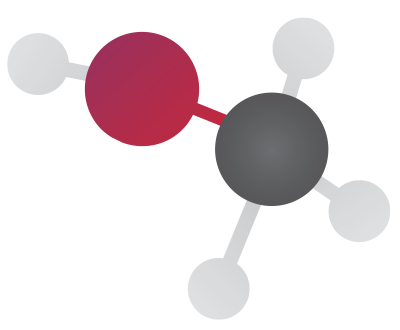
Methanol is a clear liquid chemical that is water soluble and biodegradable.
Comprised of four parts hydrogen, one part oxygen and one part carbon, it is the simplest member of a group of organic chemicals called alcohols.
Also referred to as “wood alcohol”, methanol is a clean-burning, naturally occurring, biodegradable fuel.
The methanol industry as we know it is based almost entirely around a process using copper-based catalysts called Low Pressure Methanol (LPM). Since its development in the 1960’s, LPM technology has become the basis of virtually all methanol production today.
Methanol Uses
Freeze Protection
Oil wells and pipelines are routinely shut-down and started-up for maintenance and to maximize oil production. Methanol is the freeze protection fluid of choice to keep the water in these lines from freezing, plugging and rupturing the pipe. It mixes easily with water in the pipes and stays liquid far below the -40 degree temperatures the North Slope experiences.
Hydrate Inhibition
At high pressures and low temperatures natural gas and water combine to form an odd solid called a hydrate. These hydrate solids will plug gas compression equipment, limiting the amount of gas that can be re-injected and therefore the amount of oil which can be produced. Methanol mixes with the water and thermodynamically prevents the hydrates from forming.
Chemical Solvent
At 40 degrees below zero the most effective corrosion inhibition chemicals are solids. Methanol is one of the best solvents to convert them into liquids capable of being injected into the oil wells through pumps and tubing.
Methanol has been one of the world’s most widely used industrial chemicals since the 1800’s. Today methanol is a $55 billion global industry. It is a key component of hundreds of chemicals that are integral parts of our daily lives. It is produced globally on an industrial scale using natural gas as the principal feedstock. Global demand was 23 billion gallons in 2015 and is growing at 12% annually.
Emerging energy applications (low carbon fuel) for methanol are a major driver of this growth, which now accounts for 40% of global methanol consumption.
Right-Sized Production
The first methanol plants constructed were built of modest size, but over the following century plants were built on a larger and larger scale. Size was driven by the economic logic of trying to capture efficiencies to create the lowest cost of production.
However, minimizing costs at a central location only makes sense when shipping is a relatively small portion of the final cost of the product. On the North Slope, transportation is often the largest part of the delivered methanol price. Gas monetization through the production of methanol using a small-scale plant is a promising option on the North Slope.
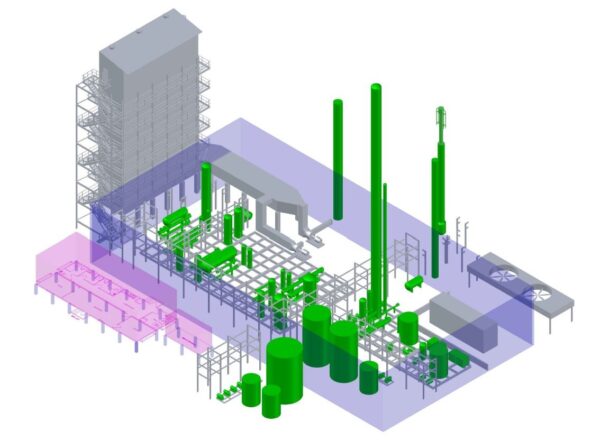
Alyeschem is working with companies to design, fabricated and constructed one of the first small-scale, modular methanol production (less than 100 tons per day) plants that can be co-located at the methane source.
The plant will be modular and can be rapidly deployed onsite to produce thousands of gallons per day of ultra-clean methanol from natural gas or methane-rich waste gas.
Ultra Low Sulfur Diesel (ULSD)
The North Slope oilfields cover a huge area. The thousands of people needed to keep it running every day used millions of gallons of diesel driving across it in 2020. This is currently trucked from Fairbanks 494 miles north (using more diesel), even though they already have a topping units which can make high sulfur diesel on site.
We have adjusted the design of our plant to be able to convert locally produced high sulfur diesel into the ULSD required in mobile equipment.